The course is designed for master’s students in Biology, in Chemistry or in Pharmacy, seeking practical and conceptual insight into computer-aided drug design, without having any computing skills.
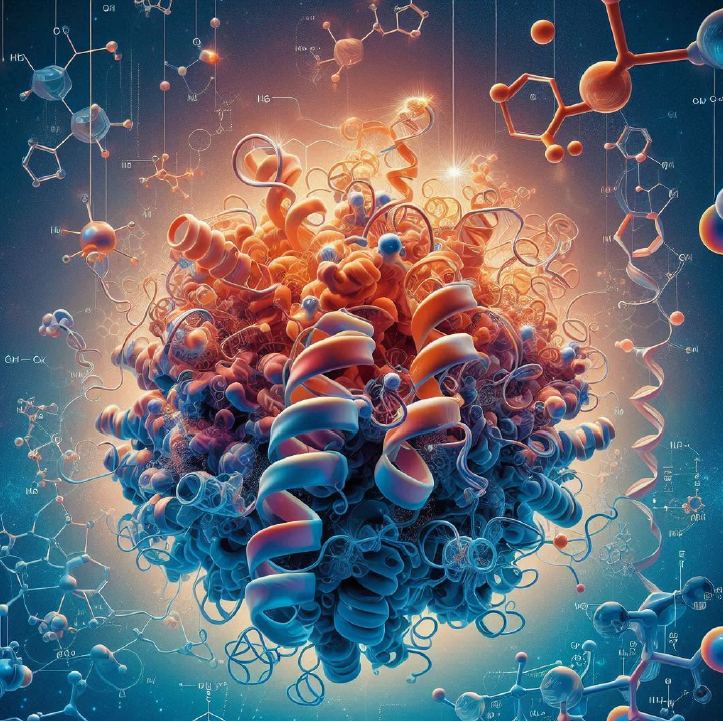
This course introduces molecular simulation methods used in contemporary drug design, with a focus on understanding their capabilities and limitations. It offers a foundational overview of receptor-based and ligand-based computational strategies, including recent AI-driven tools.
Through accessible lessons and interactive activities (serious games, forum), students learn to run modeling calculations using cutting-edge programs via free webservers, to interpret simulation outputs and apply a structured pipeline for generating hypotheses in therapeutic compound development.
To complete their training, students will ideally form interdisciplinary teams to overcome two successive practical challenges :
"I am a biologist, I want to identify a drug candidate with activity on my identified biological target"
"I am a chemist, I want to identify a relevant (pathology)/biological target for my drug candidate"
- Učitel: Olivier Delalande
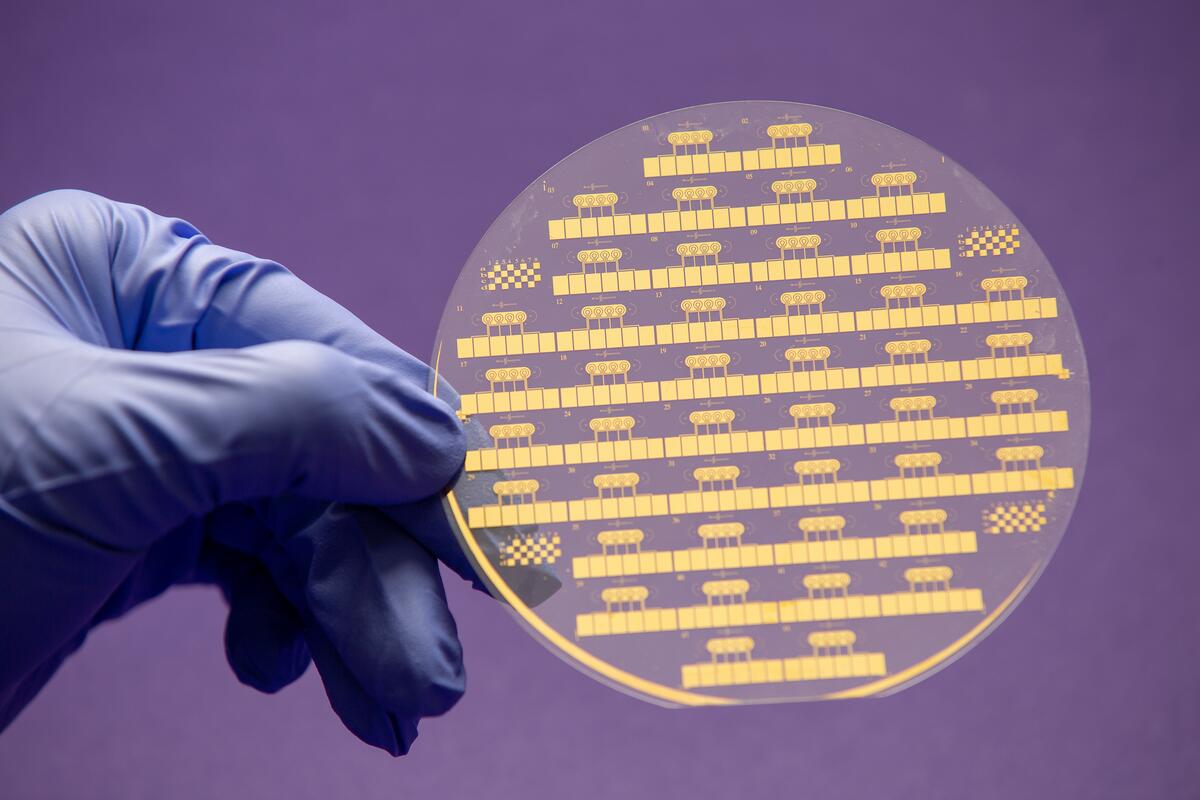
• Discover the main electrodes methods used in the field of pharmaceutical and biomedical analysis
• Discover the principles of the electrochemical methods used in the field of pharmaceutical and biomedical analysis
• Discover the processes of several biosensors, thermodynamics and kinetics of weak molecular interactions
- Učitel: Marie-Laurence Abasq-Paofai
- Učitel: Maria Antonietta De Luca
- Učitel: László Kiss
- Učitel: Sándor Kunsági-Máté
- Učitel: Audrey Lachal
- Učitel: Anthony Roussel
- Učitel: Francesco Secci
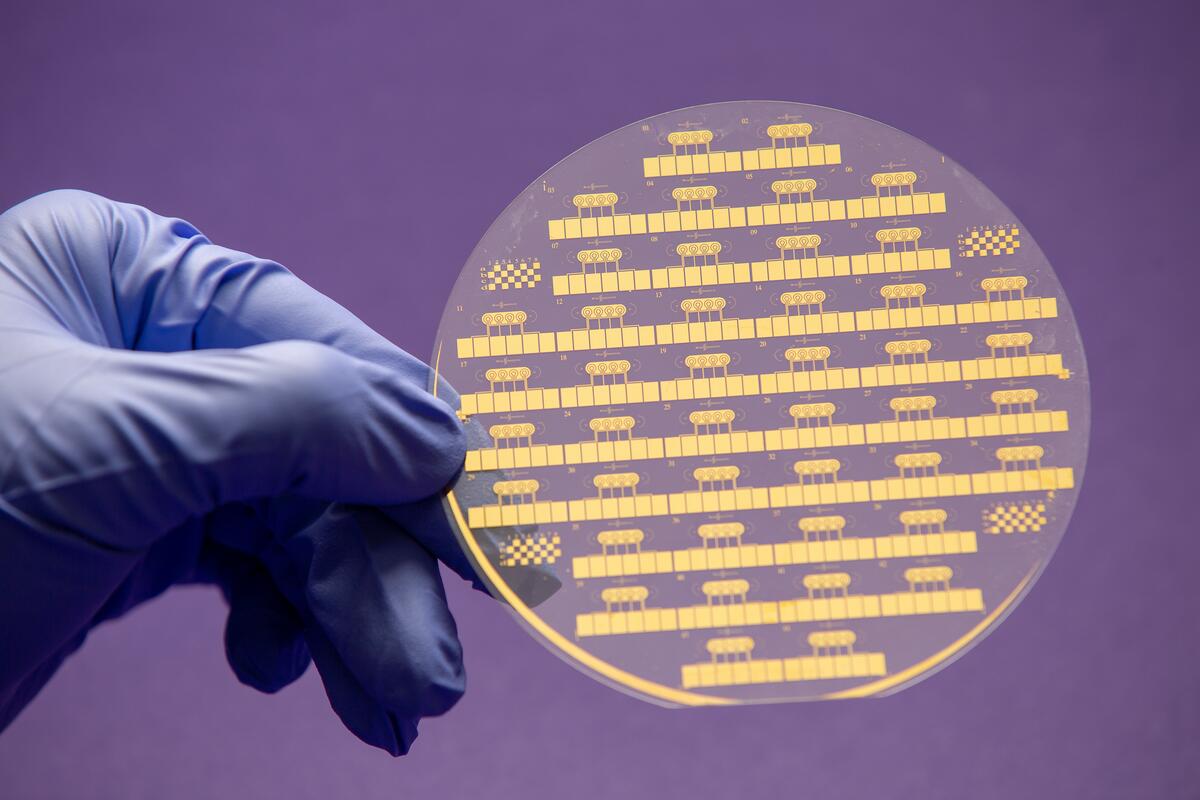
• Discover the main electrodes methods used in the field of pharmaceutical and biomedical analysis
• Discover the principles of the electrochemical methods used in the field of pharmaceutical and biomedical analysis
• Discover the processes of several biosensors, thermodynamics and kinetics of weak molecular interactions
- Učitel: Marie-Laurence Abasq-Paofai
- Učitel: Maria Antonietta De Luca
- Učitel: László Kiss
- Učitel: Sándor Kunsági-Máté
- Učitel: Anthony Roussel
- Učitel: Francesco Secci
- Učitel: Miriam Nývltová Fišáková
- Učitel: Kamil Ďuriš
- Učitel: Miriam Nývltová Fišáková
This course provides a comprehensive introduction to the foundations, theoretical models, and applied practices of health pedagogy in a modular, interactive format. The content covers individual and community-level health behavior models, the conceptual frameworks of health education and health promotion, and the historical and professional development of health-pedagogical competencies. Students explore key behavior change theories, principles of prevention and health communication, and the logic of planning and implementing health education programs.
- Učitel: Gabriella Hideg-Fehér
- Učitel: Krisztián Kvell
- Učitel: Szilárd Pál
- Učitel: Veralia Gabriela Sanchez
- Učitel: Ru Yan

- Učitel: Tünde Ambrus
- Učitel: András Tamás Fittler
- Učitel: Giovanni Fonseca
- Učitel: Péter Iványi
- Učitel: Lenka Smejkalová
- Učitel: Marie-Laurence Abasq-Paofai
- Učitel: Giovanni De marco
This asynchronous course provides comprehensive training in conducting systematic reviews and meta-analyses within the field of prevention medicine. Participants will develop competencies in formulating research questions, designing search strategies, screening literature using PRISMA guidelines, assessing methodological quality, extracting data, and performing quantitative synthesis. The course introduces commonly used tools such as PROSPERO registration, risk-of-bias assessment frameworks, and meta-analytic statistical techniques. By the end of the course, learners will be able to independently plan, conduct, interpret, and report systematic reviews and meta-analyses relevant to public health and preventive medicine research.
- Učitel: Shalini Chauhan