This course for students in the BA English Studies programme
offers an overview of British literature and culture from the medieval
period to the end of the eighteenth century. Its aim is to provide basic
information about the socio-cultural environment
in which major cultural and literary events took place. The lecture
course is held by three instructors, depending on the topic at hand. It
relies on primary readings and highly recommended reference materials.
- Professor: Krisztina Fodorné Dr. Tóth
- Professor: Gabriella Hartvig
- Professor: Filip Krajník
- Professor: Csaba Maczelka
- Professor: Krisztián Simon
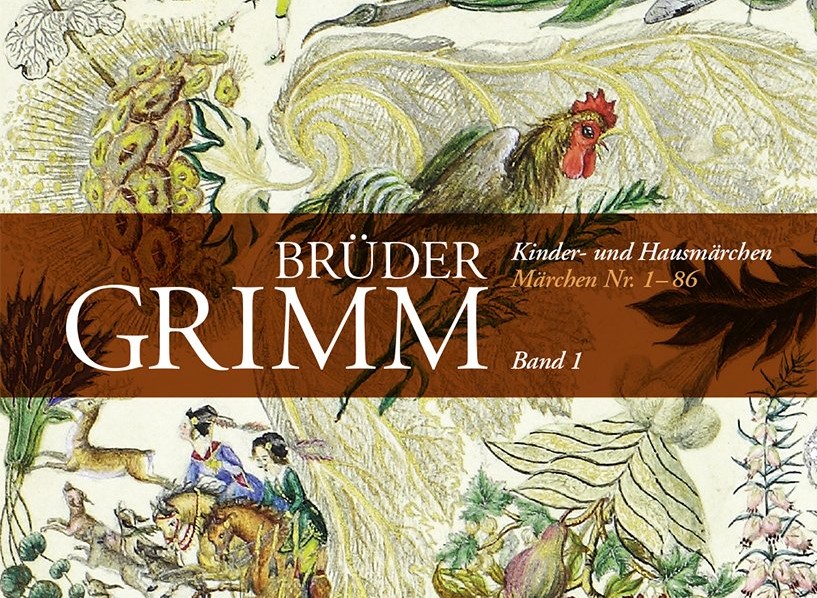
In diesem Seminar werden die „Kinder- und Hausmärchen“ (1812/1815) der
Brüder Grimm in ihrem europäischen Kontext betrachtet. Es wird deutlich,
dass die Grimms aus einem gesamteuropäischen Reservoir an Mythen,
Märchen und Sagen schöpfen, um ihre Sammlung vermeintlich ,urdeutscher‘
Märchen zu schaffen. Bei der Betrachtung dieses Transformationsprozesses
profitieren wir von der Vielsprachigkeit der Teilnehmer:innen des
Seminars. Da dieses im Rahmen der EDUC-Universitätsallianz angeboten
wird, werden im Idealfall auch italienische, französische, tschechische
und ungarische Studierende am Kurs teilnehmen (aus Cagliari, Rennes,
Nanterre, Brno und Pécs), so dass wir unterschiedliche
nationalsprachliche Quellen und ihre poetische Bearbeitung
komparatistisch betrachten können. Neben dem Wandel der Märchen in
verschiedenen Sprachen werden wir uns auch ihrer Adaption für
unterschiedliche Medien zuwenden (Literatur, performative Künste und
Film). Das Seminar findet in Präsenz statt, mit einem Hybridangebot für
die internationalen Studierenden und wird im Co-Teaching zusammen mit
Vinzenz Hoppe und auswärtigen Expert:innen angeboten.
- Professor: Iwan-Michelangelo D'Aprile
- Professor: Judith Rode
- Professor: Valentina Serra
- Professor: Stephanie Steinsdorff
Description of the course
Stereotypes reflect persistent perceptions and influence intercultural communication. One of the primary sources of cultural stereotypes is literature, which also plays a significant role in fostering international and intercultural interaction and cooperation. The images created in literature not only leave a lasting impression on one's own culture, but also serve as either a bridge or an obstacle to understanding other cultures. This course explores the role of literature and culture in the formation of stereotypes, which serve as a primary means of constructing the image of the 'Other.' It has both theoretical and practical dimensions, examining the theoretical foundations of stereotyping as well as its manifestations within the international cultural sphere. The course also investigates the practical impact of stereotypes on the perception of the 'Other' in intercultural contexts. Through a comparative analysis of various intercultural interactions, the course provides an introduction to the ways stereotypes manifest, focusing on the dynamics between Ukrainian, Polish, Russian, and Austrian cultural spaces across different historical periods, from the 19th century to the present.
- Professor: Olena Poddenezhna
- Professor: Olha Voznyuk
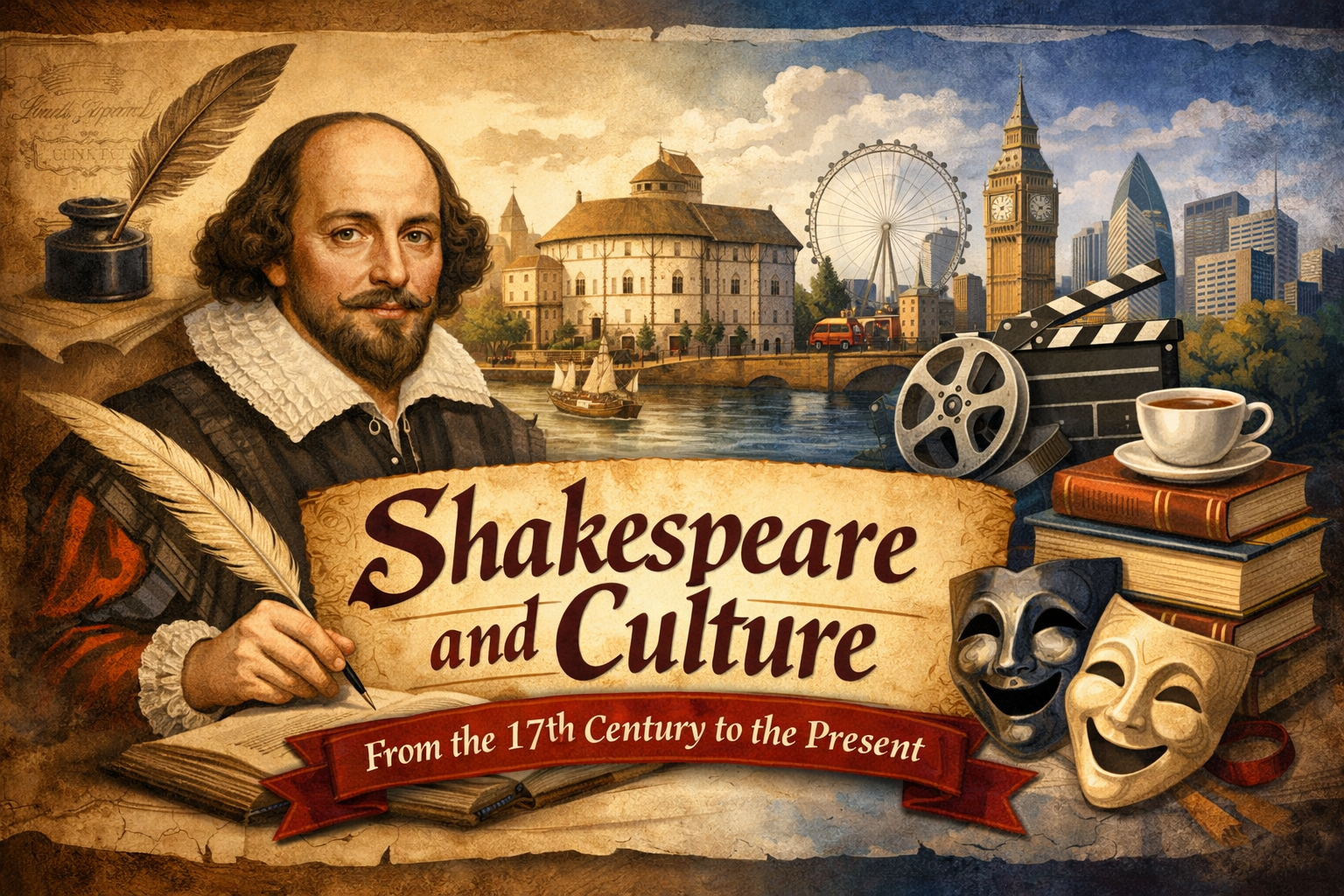
The course will be a series of lectures, combined with assigned readings and on-line activities, focusing on Shakespeare as a cultural phenomenon from the 17th century to the present. Each lecture will focus on one period/topic that will include both historical enquiries into Shakespeare’s reputation in England and Continental, and the role of Shakespeare in contemporary culture. Besides traditional theatre and literature, the lectures will address Shakespeare in connection with film and televisual cultures, new media and marketing strategies. Among other topics will be the link between Shakespeare and contemporary political and social climate (including political productions of Shakespeare or Shakespeare and social activism and social justice).
- Professor: Filip Krajník
- Professor: Csaba Maczelka