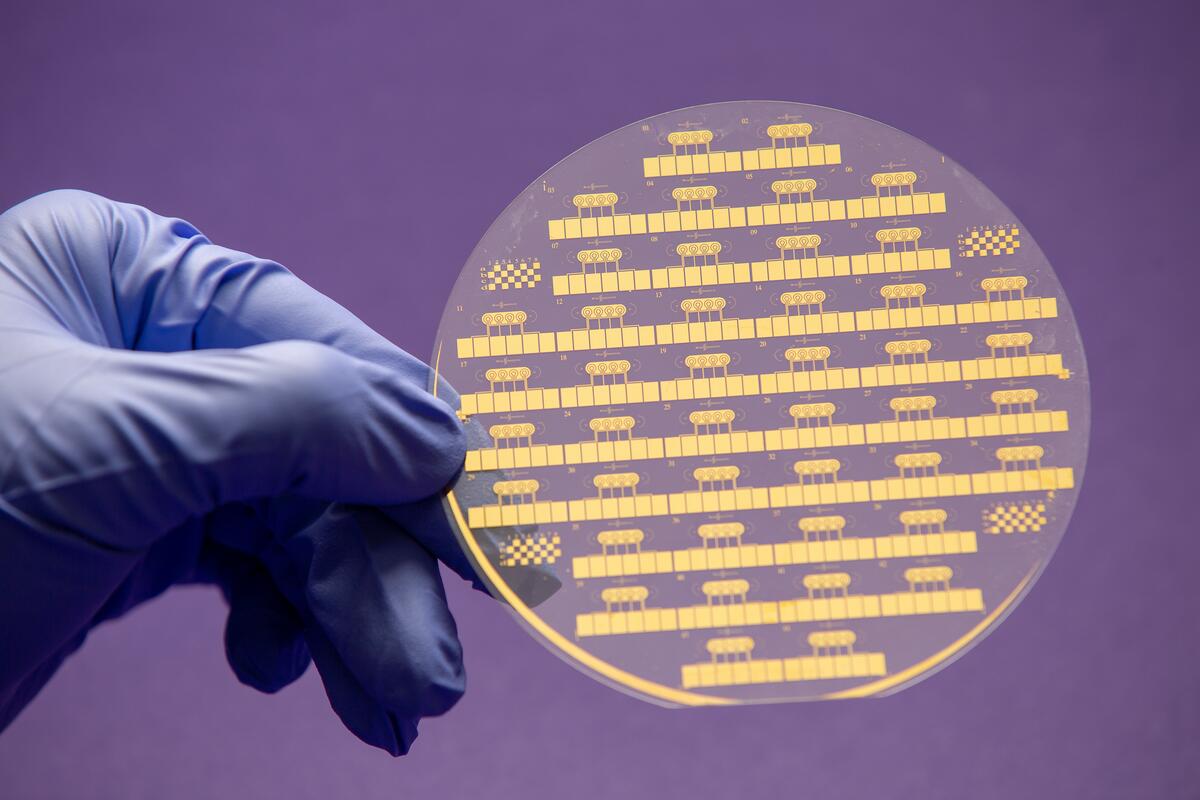
• Discover the main electrodes methods used in the field of pharmaceutical and biomedical analysis
• Discover the principles of the electrochemical methods used in the field of pharmaceutical and biomedical analysis
• Discover the processes of several biosensors, thermodynamics and kinetics of weak molecular interactions
- Teacher: Marie-Laurence Abasq-Paofai
- Teacher: Maria Antonietta De Luca
- Teacher: Giovanni Fonseca
- Teacher: László Kiss
- Teacher: Sándor Kunsági-Máté
- Teacher: Anthony Roussel
- Teacher: Francesco Secci
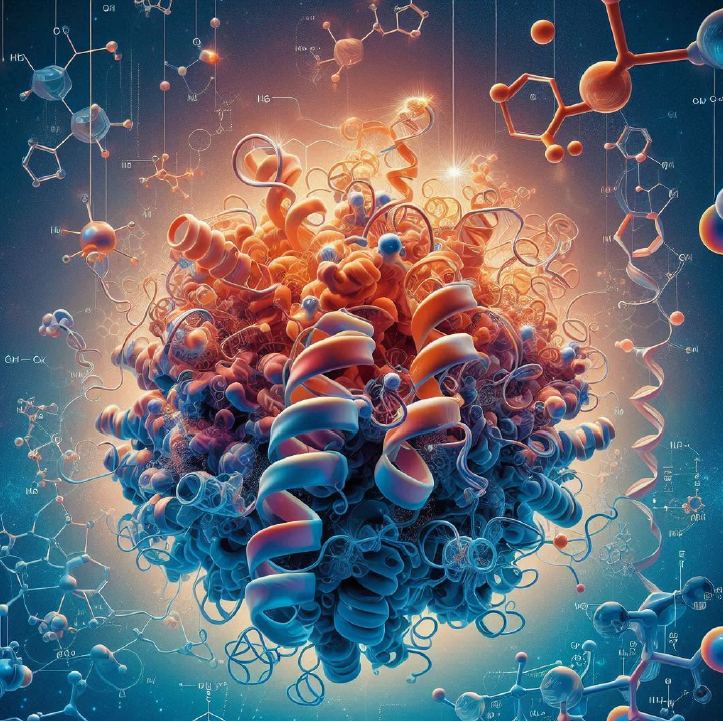
The course is designed for master’s students in Biology, in Chemistry or in Pharmacy, seeking practical and conceptual insight into computer-aided drug design, without having any computing skills.
This course introduces molecular simulation methods used in contemporary drug design, with a focus on understanding their capabilities and limitations. It offers a foundational overview of receptor-based and ligand-based computational strategies, including recent AI-driven tools.
Through accessible lessons and interactive activities (serious games, forum), students learn to run modeling calculations using cutting-edge programs via free webservers, to interpret simulation outputs and apply a structured pipeline for generating hypotheses in therapeutic compound development.
To complete their training, students will ideally form interdisciplinary teams to overcome two successive practical challenges :
"I am a biologist, I want to identify a drug candidate with activity on my identified biological target"
"I am a chemist, I want to identify a relevant (pathology)/biological target for my drug candidate"
- Teacher: Olivier Delalande
- Teacher: Tünde Ambrus
- Teacher: András Tamás Fittler
- Teacher: Giovanni Fonseca
- Teacher: Péter Iványi
- Teacher: Lenka Smejkalová
- Teacher: Marie-Laurence Abasq-Paofai
- Teacher: Giovanni De marco
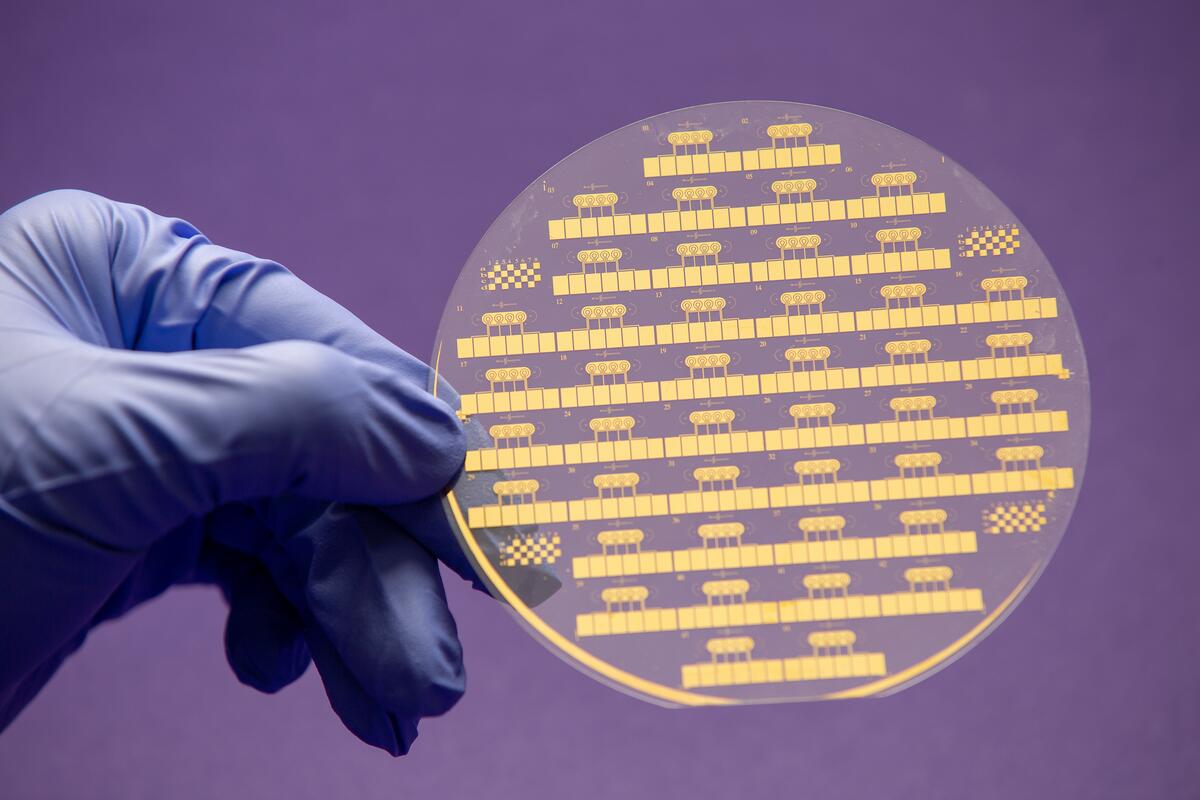
• Discover the main electrodes methods used in the field of pharmaceutical and biomedical analysis
• Discover the principles of the electrochemical methods used in the field of pharmaceutical and biomedical analysis
• Discover the processes of several biosensors, thermodynamics and kinetics of weak molecular interactions
- Teacher: Marie-Laurence Abasq-Paofai
- Teacher: Maria Antonietta De Luca
- Teacher: László Kiss
- Teacher: Sándor Kunsági-Máté
- Teacher: Audrey Lachal
- Teacher: Anthony Roussel
- Teacher: Francesco Secci